

Assisted Living

Assisted Living - Is It For You

The Impact of Technology on Enhancing Quality of Life in Assisted Living Facilities

In today's rapidly evolving world, the role of technology in improving our lives can't be overstated – especially when considering the elderly in assisted living facilities . There's an undeniable impact that these innovations have on enhancing the quality of life for residents. However, it ain't just about throwing fancy gadgets into their rooms; it's about integrating tech in a meaningful way that truly enriches their day-to-day experiences.   Take, for example, smart home technologies. These systems allow for the automation of mundane tasks such as adjusting thermostat settings or controlling lights – things that might seem trivial to us but can pose significant challenges for those with limited mobility. By simplifying such activities, seniors enjoy a greater sense of independence (which we all crave), and this fosters a more comfortable and dignified living environment.   Onward to another facet of technological advancement! Social connectedness is crucial at any age, but for older adults who may face isolation, it’s particularly relevant. Video calling platforms and social media have revolutionized how residents interact with loved ones. They're no longer confined by distance or physical limitations; instead, they're empowered to maintain relationships that are vital to their

Is assisted living the right fit?

You may have heard many different terms used to describe senior living communities. Although some are used interchangeably, they may not necessarily offer the same level of senior care. An independent living community is the senior living option that provides the most privacy and independence. It allows seniors to live among their peers and enjoy various amenities such as a clubhouse and fitness center. The main difference you will find in assisted living is help with activities of daily living (adls). Staff is available to help with dressing, bathing, grooming, and eating. Assisted living and retirement homes are two options for seniors who are looking for a place to live as they age. While these two types of communities may seem similar, some key differences between them are important to understand when deciding which one is the right fit for you or your loved one. Monthly costs for residential care communities generally cost 20% to 50% less than larger assisted living communities. However, remember that the prices depend on the services offered and the location of each facility. It’s undeniable that senior living can be pretty expensive. It’s a good thing there are


Choosing the Right Senior Living Options

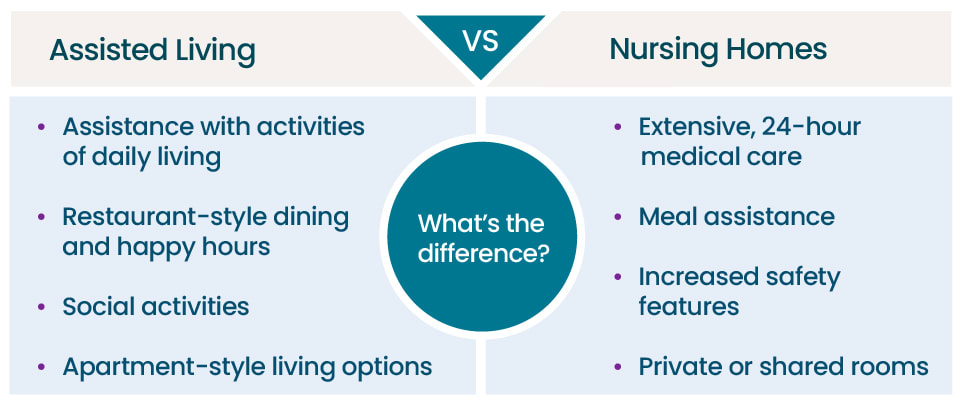
The cost of assisted living and nursing homes can vary depending on the services offered, but in general, nursing homes normally cost more than assisted living facilities. This difference in price is reflective of the increased medical care and amenities offered in a nursing home versus an assisted living facility. The cost of assisted living and nursing homes can vary depending on the services offered and the specific location. Assisted living facilities typically range from $2,000 to $5,000 per month, while nursing homes can cost anywhere from $7,000 to $12,000 or even more. Ultimately, the difference between assisted living and nursing homes depends on the individual needs and preferences of the senior. For many seniors, the desire to live on their own is very strong. Unfortunately, though, circumstances like health and finances make that untenable. However, when it comes to senior living facilities in california, there are a variety of options available for older adults and their families. From assisted living facilities to independent living communities, each type of living facility offers unique features and services to meet the needs of different seniors. However, understanding the differences between these senior living options can be overwhelming, especially if you’re unfamiliar


Differences Between Retirement and Assisted Living Communities

A nursing home is generally thought to be more of a medical setting, whereas assisted living is considered residential. Skilled nursing residences can feel more “institutional” than assisted living communities, but that’s changed in recent years. Skilled nursing residences in a continuing care retirement community have become less like hospital rooms and a bit more like home. Explore the options by touring more than one facility that provides long-term nursing care. Talk to residents. Ask questions. Observe carefully. You may be pleasantly surprised. Do the same for a number of communities offering assisted living residences. Tour the apartments. Learn about the activities and programs offered. Retirement and assisted living communities are both options for seniors who need a supportive living environment, but they differ in the level of care and assistance provided. Retirement communities are designed for independent seniors who want to downsize from their current homes and enjoy a more social and active lifestyle. These communities typically offer a range of amenities, such as fitness centers, swimming pools, golf courses, and social events, to promote an active and engaging lifestyle. Residents in retirement communities are usually able to live independently and take care of themselves but may have


What Is the Difference Between a Retirement Community and Assisted Living?

The cost of independent living is impossible to quantify due to the variety of options. For example, independent living in an assisted living community might be more like a rental situation. You pay monthly and can give 30 days’ notice to end the contract. In a retirement community, the cost of constructing or buying a home will depend upon the area where you live, the size of the home, and added features. Every community will be different. Most continuing care retirement communities are a “buy-in” where you pay a lump sum. According to aarp the average entrance fee is $329,000 but can run as high as a million or more. If you find yourself in this difficult position, you have options for relieving this stress and giving your loved one the supportive environment they need to thrive. Retirement communities and assisted living facilities offer seniors independence and socialization, ensure they receive the appropriate quality of care and improve their overall quality of life. Getting your loved one the help they truly need keeps them safe and healthy. What’s more, it prevents you from experiencing caregiver burnout that can cause undue anxiety and damage your relationship with your loved one.